


/
/
Influencers and Longevity: How Live Streaming Is Changing Our Lifestyle Habits
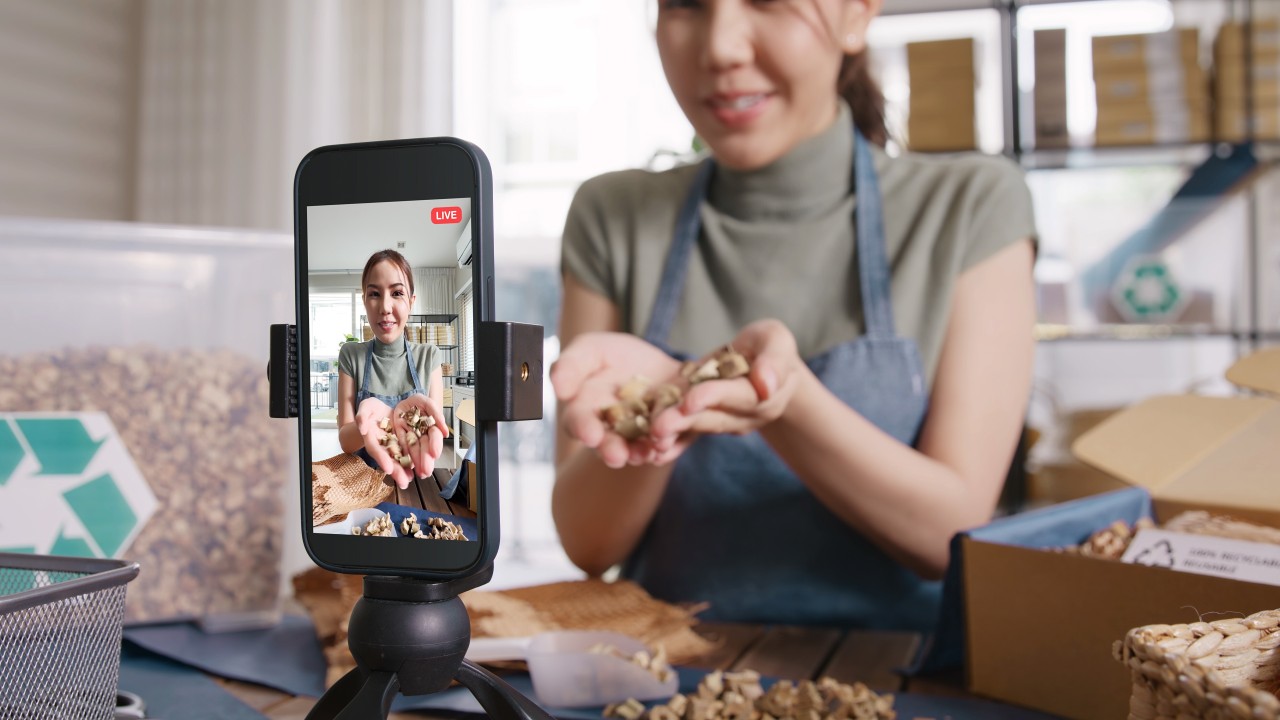
In just a few years, live streaming has gone from a niche hobby to a mainstream way for people in the U.S. to spend time online. The live video market is growing fast at about 20% annually in the U.S. alone. Instead of watching pre-recorded clips, many are tuning into live yoga flows, cooking demos, or guided meditation sessions where they can ask questions in real time.
The shift is real and measurable. About one in four Americans reports watching more live streams than before the pandemic. Among 18–34-year-olds, 20% watch live streams several times daily. On average, a live video session holds attention for around 25 minutes. These are not just drop-ins; the numbers indicate that people are staying.
Why Influencers Make a Difference
Influencers have a unique role in this shift. They don’t just promote products; they share daily habits and choices in real time. Watching a creator cook a plant-based meal, practice mindful breathing, or try eco-friendly choices helps make these ideas feel possible. In fact, over 40% of U.S. consumers say influencers have inspired them to make positive lifestyle changes. That number rises to nearly 60% among Gen Z and Millennials.
When we map this to Lisia’s eight lifestyle categories (wellness, fashion, travel, sustainability, nutrition, beauty, fitness, mindfulness), the possibilities multiply. A fitness coach could lead a live workout. A chef could show a plant-forward recipe. A sustainability creator might walk through low-waste shopping. These real-time moments help translate inspiration into tangible change.
Why Small Habits Compound Over Time
It’s tempting to think that only big changes make a difference. However, research shows that small daily choices, repeated consistently, add up meaningfully. For example, a large long-term study found that people who maintained five healthy habits (eating well, staying active, not smoking, moderating alcohol, and keeping a healthy weight) lived for over 10 years longer than people who didn’t.
When influencers share simple routines, such as adding one serving of vegetables, doing a short stretch, or taking a few minutes to breathe, they make habit-forming feel reachable. Over months and years, these small shifts build toward longevity.
From “Watching” to “Joining In”
Live streaming isn’t passive; rather, it’s participatory. The chat during a workout or the questions during a cooking demo create a connection. Viewers exchange tips, encouragement, and accountability.
That sense of community is powerful. Real people see real attempts and ask questions. This real-time engagement is what makes live content different. It’s not polished perfection, but accessible progress. And that’s how small shifts become sustainable habits.
Trust, Authenticity & Influencer Credibility
One reason live influencers can succeed is trust. Because sessions are live, there's less polish and more vulnerability, which helps people feel the influencer is genuine.
Gen Z is especially sensitive to authenticity. They are more likely to follow creators whose values align with their own and who are transparent about challenges, failures, and experiments. In live formats, creators can respond to comments, make mistakes, pivot midstream, and show that they are learning with the audience.
That transparency helps bridge the “aspiration gap.” Instead of feeling like distant perfection, wellness, sustainability, or mindful practices feel like paths people can try. Trust grows when audiences see that creators are real, not just idealized.
Challenges & How to Overcome Them
Live streaming for wellness or lifestyle isn’t without hurdles. Creators must navigate them thoughtfully:
Burnout and pacing: Constant live content can strain voice, energy, and creativity. Some creators step back to preserve longevity.
Technical issues & audience access: Not everyone has the bandwidth or device to stream. Influencers should combine live with easier-to-access formats (e.g., recorded clips, transcripts).
Skepticism & overhype: Creators must avoid overclaiming because the wellness space can be overrun with promises. Backing statements with data, being clear about boundaries, and including disclaimers help maintain integrity.
Monetization vs. value balance: Influencers may need ways to monetize (through subscriptions, sponsorships, or paid content). But if monetization overshadows utility or authenticity, it can erode trust. Thoughtful partnership selection and transparency help here.
When creators and platforms plan mindfully, including rest, technical support, clear messaging, and community feedback, these challenges can be managed, making their work sustainable over the long run.
Lisia: Potential to Impact
At Lisia, we believe influence should be about more than reach. It should be about sparking meaningful, lasting change. Bringing together influencers across all eight categories creates a space where inspiration can translate into daily action.
Brands are noticing too. In 2025, 80% of companies either maintained or increased their influencer marketing budgets, and nearly half increased them by more than 11%. This shows the belief that influencer-driven, live content is not a passing trend. It’s core to how people explore and adopt healthier routines.
Live streaming has shown that influence can be more than entertainment. Influencers can guide healthier, more sustainable lives. With the right voices and structure, platforms like Lisia can help turn that potential into real impact.