


/
/
The Language of Life: How Communication Builds Stronger, Longer-Living Communities
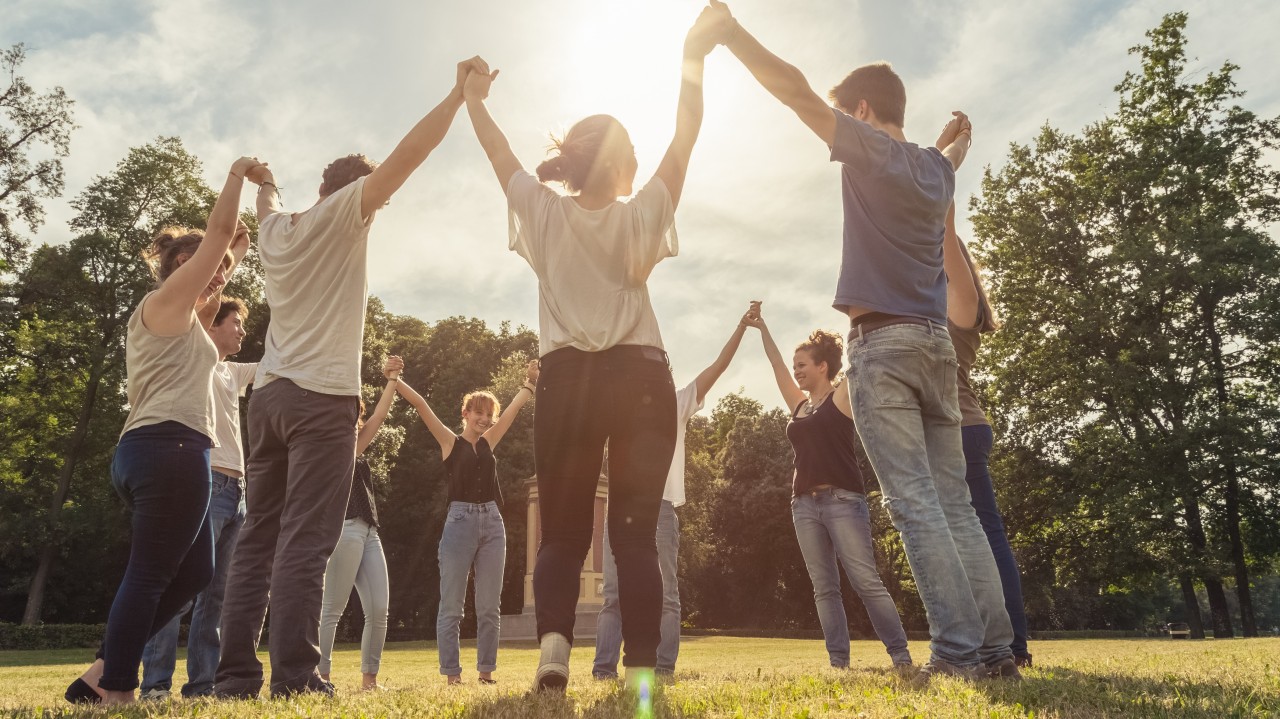
Every community starts with a conversation. A neighbor waving hello. A colleague offering advice. A group message that sparks an idea. Communication is the spark that turns individuals into a “we.” It’s how strangers connect, how trust begins, and how people set out on new journeys.
When communication flows, communities thrive. And when communities thrive, lives grow richer. Living with strong social ties can even extend life. Connection brings more than joy. It can save lives.
Did You Know?
The U.S. Surgeon General says loneliness is as harmful as smoking 15 cigarettes a day.
A study of 300,000+ people found those with strong social ties had a 50% better chance of survival.
The Science of Belonging
Belonging isn’t just a nice feeling. It’s a basic need. When people feel connected, the brain releases hormones that lower stress and boost resilience. When people feel excluded, stress rises, the immune system weakens, and health declines.
This is why communities matter so much. They create safe spaces where communication builds trust and identity. Every story shared or kind word spoken strengthens bonds that protect health. Belonging is so important that researchers now call it a “vital sign” for well-being.
Communities and Communication
So, how does this connect to the communities we live in? The Community-as-Partner Model points to eight dimensions of community. Each shows how communication opens doors to growth, resilience, and longevity.
Physical Environment A park is just grass and trees until people plan events, clean-ups, or meet-ups. Communication turns it into a shared space.
Education Learning grows through conversation. Study groups, alumni networks, and online forums spread knowledge. When one person shares, others benefit.
Safety & Transportation Community alerts, transit updates, or group chats add both safety and connection. Shared information keeps people aware and secure.
Politics & Government Communication gives people a voice. Petitions, town halls, and social campaigns let communities influence decisions. Speaking up is the first step to change.
Health & Social Services Healing often starts with “me too.” Support groups and caregiver forums reduce isolation and build resilience through shared stories.
Communication (the Core) This is the center of everything. Newsletters, platforms, and casual conversations all build trust and belonging. Without communication, communities fade.
Economics Opportunities come from conversations. Business tips are shared, jobs are passed along, and ideas spark when people talk.
Recreation Joy happens when people reach out. Book clubs, sports, and concerts all begin with an invitation. Belonging here boosts spirit and health.
Digital Communities, Real Impact
Today, many communities start online. LinkedIn groups, Discord servers, and Facebook forums connect people who might never meet in person. A professional might find a job lead. A parent might find comfort late at night. Virtual conversations can lead to real-world change.
The key isn’t the platform. It’s the quality of communication. Studies show active, trusting online groups can improve mental health and reduce loneliness. When people use technology to support and encourage each other, digital spaces become sources of strength.
Communities as Engines of Transformation
Across all eight dimensions, communication isn’t just a tool. It’s the lifeblood of transformation. A short chat can spark a career shift. A support group can heal. A laugh among friends can build lifelong trust.
And the risks of disconnection are serious.
Did You Know?
Chronic loneliness raises stroke risk by up to 56% in older adults.
Loneliness and isolation raise the risk of premature death by 26% and 29%.
Social isolation increases mortality by 35%. Living alone raises it by 21%.
Poor social ties raise stroke risk by 30% and death after stroke by 36%.
Communication doesn’t just build communities. It helps us live longer, healthier lives.
Speak Up, Connect, Thrive
If communication is the spark — and longevity is the flame — then every conversation is an opportunity. To start a journey. To inspire a goal. To open an unexpected door.
So ask yourself: where can you improve communication in your world? Which conversations could change the path ahead, for you and for someone else?
We don’t just share information when we talk. We share life. And through that life, we build communities. Stronger. Healthier. And more meaningful — together.