



/
/
The New Science of Eating Well: 10 Evidence-Based Nutrition Apps
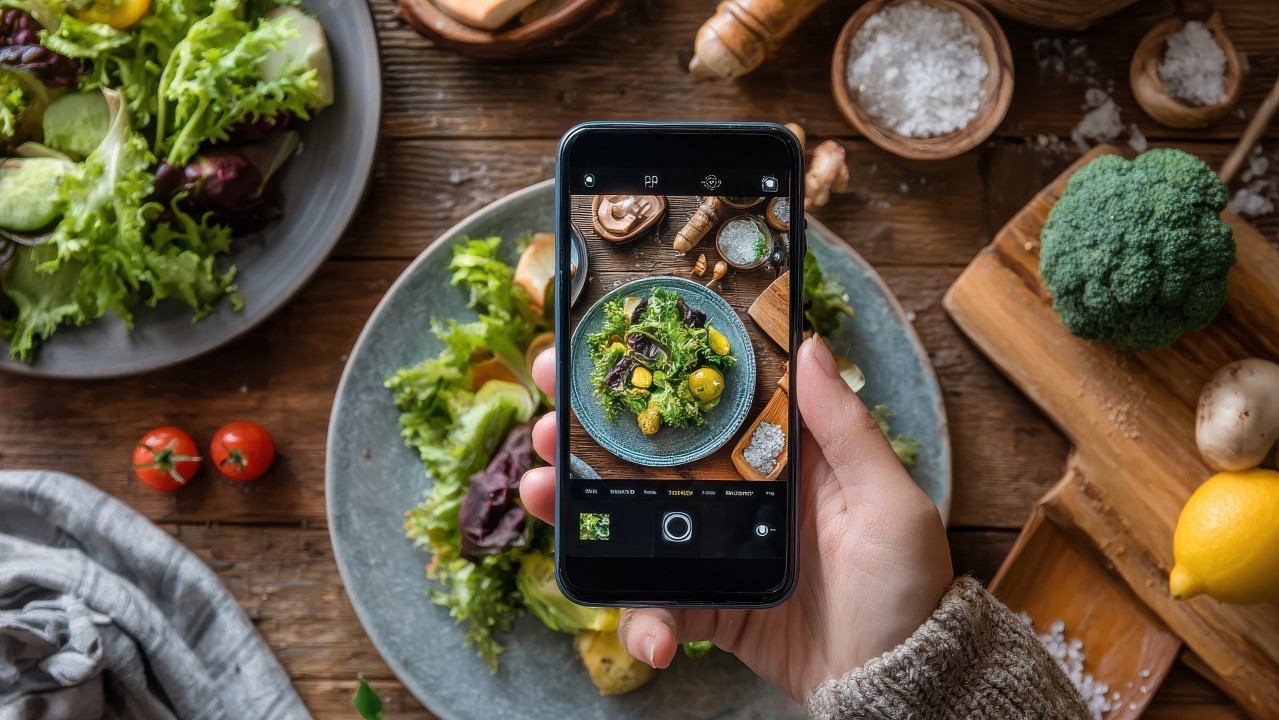
Nutrition tracking isn't new, but the way we do it is evolving rapidly. Once focused solely on counting calories, today's apps use verified databases, machine learning, and behavioral science to transform every meal into actionable insight.
At Lisia, we believe technology should empower healthier, more sustainable habits. That's why we reviewed dozens of nutrition platforms to identify ten that combine scientific credibility, user trust, and measurable impact.
These apps don't just tell you what to eat. They help you understand why it matters.
1. Cronometer
Cronometer stands out as one of the most research-driven apps available. With over 1.1 million verified foods in its database, it tracks everything from calories to 84 micronutrients using lab-analyzed data. The app recently launched AI-powered photo logging (available to Gold subscribers), combining speed with the accuracy of verified nutrition data. Many athletes, health professionals, and serious health trackers rely on Cronometer for its precision and depth.
Best for: Data-driven users, athletes, and those tracking micronutrients
Key features: Lab-verified food database, tracks 84 nutrients, AI photo logging, integration with fitness devices
2. MyFitnessPal
Founded in 2005, MyFitnessPal has remained a trusted name for nearly two decades. With over 280 million members and a database of more than 20 million foods, it continues to expand its capabilities through machine learning. The app's Meal Scan feature uses computer vision to identify foods from photos, while voice logging enables users to describe what they have eaten. Recent acquisitions, including Intent for meal planning, demonstrate MyFitnessPal's commitment to innovation.
Best for: Fitness enthusiasts, general users seeking comprehensive tracking
Key features: 20M+ food database, AI Meal Scan, voice logging, barcode scanning, integration with 35+ fitness partners
3. MacroFactor
MacroFactor revolutionizes nutrition coaching with adaptive algorithms that continuously learn from your data. Unlike apps using static formulas, MacroFactor's expenditure algorithm adjusts calories and macronutrient targets weekly based on what you actually log, not what you were supposed to do. The app demonstrates 55-63% smaller prediction errors compared to standard TDEE equations after just 3-4 weeks of use. It's premium-only ($71.99/year) and built specifically for people who want intelligent, data-driven feedback.
Best for: Athletes, analytical users, and those seeking precise metabolic adaptation
Key features: Adaptive expenditure algorithm, trend weight tracking, verified food database, micronutrient monitoring, fastest food logging on the market
4. Lose It!
With over 57 million members who have collectively lost more than 150 million pounds, Lose It! emphasizes simplicity and the formation of healthy habits. The app features AI-powered Snap It photo logging and Say It voice logging, both designed to reduce friction in meal tracking. Research shows members using these AI tools demonstrate higher engagement and better adherence to their plans. The app's strength lies in making consistency achievable through behavioral insights and encouraging daily prompts.
Best for: Users who prefer an intuitive, habit-based approach to sustainable weight management
Key features: AI photo and voice logging, 63M+ food database, streak tracking, barcode scanner, community support
5. Lifesum
Lifesum bridges nutrition tracking with lifestyle balance. The app offers meal plans ranging from 7 to 21 days, complete with pre-planned recipes, an extensive recipe library featuring thousands of options, and integrated grocery lists. Users can choose from various dietary approaches, including Clean Eating, High Protein, Keto, Mediterranean, and Vegan plans. Recent updates include AI-enhanced meal tracking through photos, voice, or text input.
Best for: Families and users seeking holistic wellness with meal planning support
Key features: 7-21 day meal plans, thousands of recipes, grocery lists, multiple diet options, barcode scanner, habit trackers
6. Fitbit (Health & Nutrition Integration)
While Fitbit's primary strength is activity tracking, its ecosystem connects nutrition data with sleep, exercise, and recovery metrics to provide a complete health picture. Users can log food directly in the Fitbit app and see how dietary choices affect energy levels, workout performance, and recovery. The integration is particularly valuable for existing Fitbit device owners seeking to understand the relationship between nutrition and other health metrics.
Best for: Fitbit device users seeking integrated health and wellness tracking
Key features: Unified health dashboard, food logging, integration with activity and sleep data
7. Yazio
Yazio combines nutrition tracking with robust intermittent fasting support, offering over 20 different fasting protocols from beginner-friendly to advanced (16:8, 5:2, OMAD). The app features 2,900+ recipes spanning multiple cuisines and dietary preferences, with new recipes added weekly. Its food database includes over 4 million items with strong coverage of international foods, particularly European cuisine. The PRO version enables integration with Fitbit, Garmin, and other fitness devices.
Best for: Users wanting variety, structure, and intermittent fasting support
Key features: 20+ fasting protocols, 2,900+ recipes, international food database, AI calorie tracker, fitness device integration
8. HealthifyMe
HealthifyMe's standout feature is its AI coach Ria, which provides real-time, personalized feedback adapted to regional cuisines and eating patterns. The app features an extensive database of over 100,000 foods, with a particular strength in South Asian, Indian, and regional cuisines that other apps often overlook. Its Snap feature uses AI to identify foods from photos, though it's most accurate with single food items. With over 40 million users globally, HealthifyMe excels in markets where cultural food preferences are a key consideration.
Best for: Users seeking culturally personalized nutrition advice, particularly for South Asian cuisines
Key features: AI coach Ria, 100,000+ foods including regional cuisines, photo recognition, integration with wearables, and human coach option
9. AI Nutrition Tracker
The AI Nutrition Tracker is designed for maximum convenience, featuring a photo-based meal logging system that eliminates the need for manual typing. With a database of over 2 million foods, the app uses AI to break down calories and nutrients from meal photos instantly. Beyond basic tracking, it features a 24/7 AI coach that provides personalized nutrition tips, recipes, and advice at any time. The app also features smart water tracking, which can even identify the water content in your meals, as well as macro and micronutrient tracking, and real-time progress visualization through easy-to-read charts.
Best for: Tech-savvy users and busy professionals seeking fast, automated tracking
Key features: Photo-based meal logging, 2M+ food database, 24/7 AI coach, smart water tracker, macro and micro tracking
10. Garmin Connect + Nutrition Integration
For serious athletes and performance-focused users, Garmin Connect's integration with nutrition tracking apps like MyFitnessPal creates a comprehensive view of energy intake versus output. By combining training data, performance metrics, and meal tracking, users gain insights into how nutrition affects athletic performance and recovery. This integration is most powerful when paired with Garmin's advanced fitness devices.
Best for: Athletes and advanced fitness users tracking performance
Key features: Training data integration, energy expenditure tracking, performance analytics
The Takeaway
The most effective nutrition apps share one common goal: helping people make sense of their data. Whether through verified databases, adaptive algorithms, or AI-powered recommendations, these platforms transform awareness into action.
· Most evidence-based: Cronometer, MacroFactor
· Most user-friendly: Lose It!, Lifesum, MyFitnessPal
· Most innovative use of AI: HealthifyMe, MyFitnessPal, Lose It!
· Best for meal planning: Lifesum, MyFitnessPal
· Best for wearables: Garmin Connect, Fitbit, Yazio
· Best for cultural cuisines: HealthifyMe, Yazio
· Best for athletes: MacroFactor, Cronometer, Garmin Connect
Looking Ahead
Nutrition technology is advancing toward precision wellness, offering tools that blend rigorous science, personalized care, and empathy. At Lisia, we believe this represents the future of mindful living, where AI, health data, and sustainability converge to empower better daily choices.
As these innovations evolve, success isn't about tracking more data. It's about using that data to cultivate greater balance, understanding, and intention in how we nourish ourselves.